Self-Esteem

When you don’t feel good enough.
You might appear capable on the outside, yet inside you question yourself constantly. Maybe you second-guess your decisions, compare yourself to others, or feel like you need external validation to feel okay. Even achievements may not bring the sense of fulfillment you expected.
Low self-esteem can quietly shape how you see yourself, your relationships, and the choices you make. If this resonates, you’re not broken, you may simply have learned to relate to yourself in ways that no longer serve you.
Low self-esteem doesn’t always show up as insecurity. It can be subtle and deeply ingrained. Common signs include:
Persistent self-doubt or negative self-talk
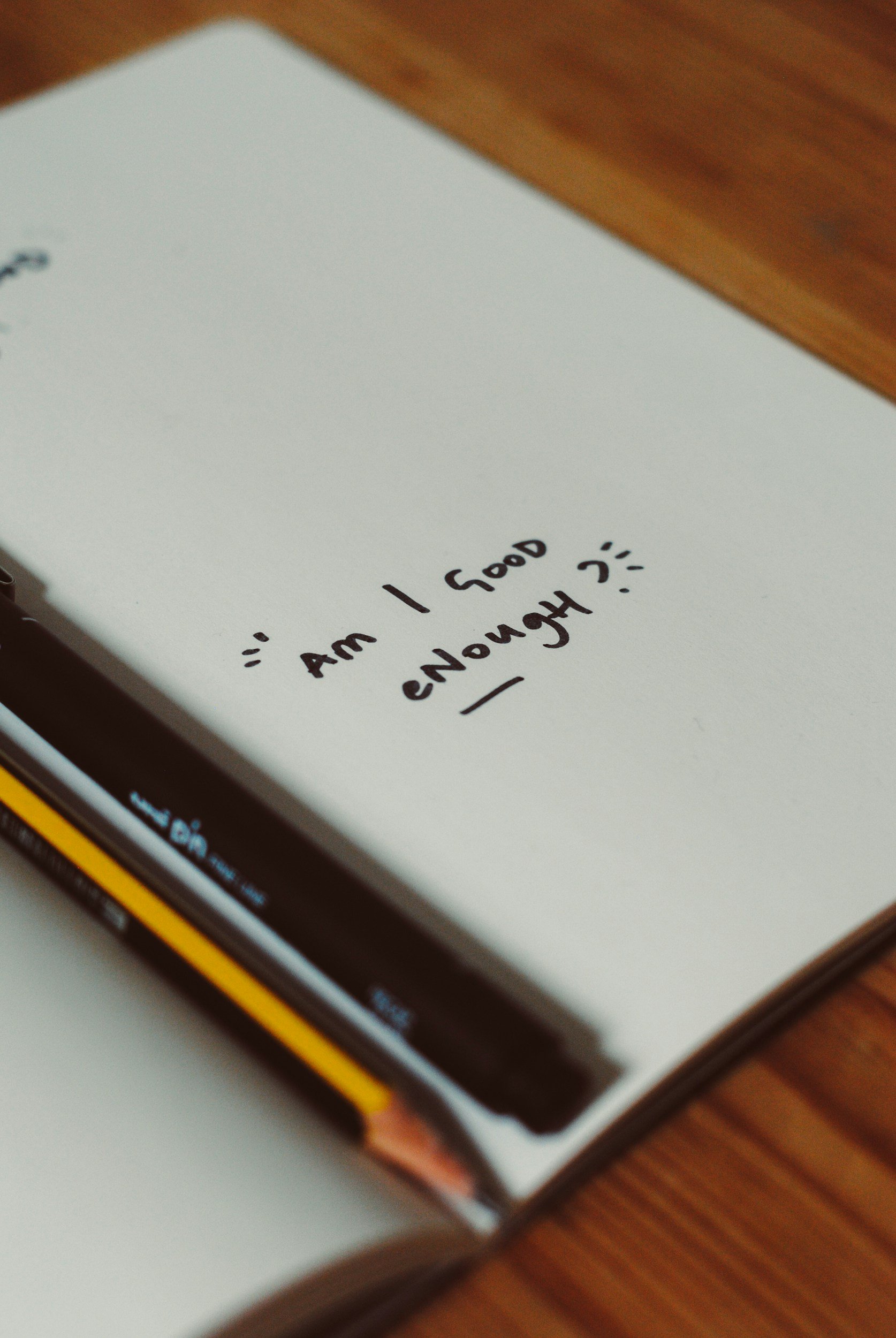
Feeling “not good enough” despite effort or success
People-pleasing or difficulty saying no
Fear of judgment, rejection, or failure
Comparing yourself to others
Difficulty trusting your own decisions
Minimizing your needs or emotions
Overworking or overachieving to feel worthy
Avoiding opportunities due to fear or self-doubt
Feeling disconnected from your authentic self
These patterns often develop over time and can be unlearned with awareness and support.
What Low Self-Esteem Can Look Like

“You yourself, as much as anybody in the entire universe, deserve your love and affection.”
Possible Roots of Low Self-Esteem
Self-esteem is shaped by experiences, relationships, and messages we receive throughout life. Some common influences include:
-
Criticism, emotional neglect, or inconsistent support
-
Learning to prioritize others’ needs over your own
-
Bullying, rejection, trauma, or repeated invalidation
-
Feeling valued only when you perform or achieve
-
Internalized standards about worth, success, or identity
Treatment Options & Modalities
At Pure Path Psychotherapy & Wellness we focus on helping you build inner validation, self-trust, and emotional resilience, rather than relying on external approval.
Cognitive Behavioural Therapy (CBT)
Dialectical Behavior Therapy (DBT)
Internal Family Systems (IFS)
Attachment-Based & Somatic Approaches
Optional Spiritual & Mindfulness Practices